Hachioji (八王子)
Tokyo
Quick Info
Map
Getting There
- train
- bus
- car
Best Times to Visit
- spring: Comfortable hiking weather, cherry blossoms at Fujimori Park, and emerging mountain greenery make spring especially attractive.
- summer: The August Hachioji Festival is a major seasonal event, while chilled Mount Takao tororo soba suits the hot basin climate.
- autumn: Cooler hiking conditions and Mount Takao’s autumn foliage festival make autumn one of the best times to visit.
What's There
- castle: Hachioji Castle Ruins preserve defensive terraces and other remains of a Sengoku-period mountain fortress.
- cherry blossoms: Fujimori Park is known for Somei-Yoshino cherry trees and spring blossom viewing.
- culture: Hachioji combines textile-town heritage, geisha traditions, mountain worship, historic streets, and local performing arts.
- festival: Hachioji Festival is a major August event featuring ornate floats, traditional music, and a large mikoshi.
- food: Hachioji ramen, Mount Takao tororo soba, Tengu-yaki, and other mountain foods are established local specialties.
- hiking: Mount Takao offers eight trails ranging from beginner-friendly paved routes to immersive forest courses.
- history: The city includes Hachioji Castle Ruins, Yakuoin Temple, historic streets, and heritage connected with the Hojo clan.
- mountain: Mount Takao is Hachioji’s defining natural attraction, rising 599 meters and offering accessible mountain scenery.
- museum: TAKAO 599 MUSEUM presents Mount Takao’s ecosystems, history, culture, trails, and seasonal natural attractions.
- nature: Mount Takao provides forests, streams, diverse plants, insects, wildlife, and rich seasonal scenery.
- park: Fujimori Park offers green space, sports facilities, recreation, and seasonal cherry blossoms.
- sake: Hachioji tourism materials identify local sake, including Hachioji-brewed products, as regional specialties and souvenirs.
- shrine: Fujimori Park includes Sengen-jinja Shrine, while Hachioji’s heritage also includes shrines around the castle and mountain.
- temple: Takaosan Yakuoin is a historic temple associated with mountain asceticism, worship, and tengu traditions.
- views: Mount Takao’s summit offers broad views toward Mount Fuji and the Tanzawa Mountains, especially in clear conditions.
- wildlife: Mount Takao supports exceptional biodiversity, including numerous plant, insect, and animal species.
- spiritual: Mount Takao and Yakuoin are long-standing centers of mountain worship, ascetic practice, and tengu devotion.
Specialties
- Hachioji Ramen (八王子ラーメン): Hachioji ramen is a soy-sauce-based noodle dish distinguished by a layer of lard and finely chopped onions. It is identified as a local Hachioji specialty in the city tourism guide.
- Mount Takao Tororo Soba (高尾山とろろそば): Tororo soba combines buckwheat noodles with grated Japanese yam and is a signature food of the Mount Takao area. Hachioji tourism information lists it among the area’s characteristic soba dishes.
- Tengu-yaki (天狗焼): Tengu-yaki is a Mount Takao sweet associated with the mountain’s tengu culture. Hachioji tourism information lists it as one of the local specialties enjoyed along the main approach to Mount Takao.
- Takao Beer (高尾ビール): Takao Beer is a locally associated beverage featured among the gourmet offerings of Mount Takao. The official Hachioji tourism site lists it alongside Tengu-yaki, dumplings, soba, and inari sushi.
- Hachioji Local Sake (八王子の日本酒): Hachioji has a local sake tradition connected with its agricultural production and historic textile town culture. The Hachioji tourism guide identifies local Hachioji sake as a regional product and souvenir.
Attractions
Mount Takao (高尾山)
Mount Takao is a 599-meter mountain in Hachioji known for accessible hiking trails, rich biodiversity, and views. The official tourism site describes eight trails ranging from beginner-friendly routes to more immersive nature courses.
Hachioji Castle Ruins (八王子城跡)
Hachioji Castle was a mountain fortress built during Japan’s Warring States period and is now a nationally designated historic site. Its remains include defensive terraces, gates, and other features characteristic of Japanese mountain castles.
TAKAO 599 MUSEUM (高尾599ミュージアム)
TAKAO 599 MUSEUM is a nature and cultural museum at the foot of Mount Takao. Its exhibitions cover the mountain’s ecosystems, history, and culture, and the museum is a short walk from Takaosanguchi Station.
Takaosan Yakuoin Temple (髙尾山薬王院)
Takaosan Yakuoin is a historic mountaintop temple founded in 744 and restored in 1375. It is associated with shugendo mountain asceticism and devotion to tengu.
Fujimori Park (富士森公園)
Fujimori Park is a large public park in Hachioji with open green space, sports facilities, and seasonal cherry blossoms. It is also associated with the Fujimori Inari Shrine area and local recreational events.
Hachioji Festival (八王子まつり)
Hachioji Festival is one of western Tokyo’s major summer festivals. It features parades, decorated floats, traditional performances, and large crowds in central Hachioji.
Photos and Videos
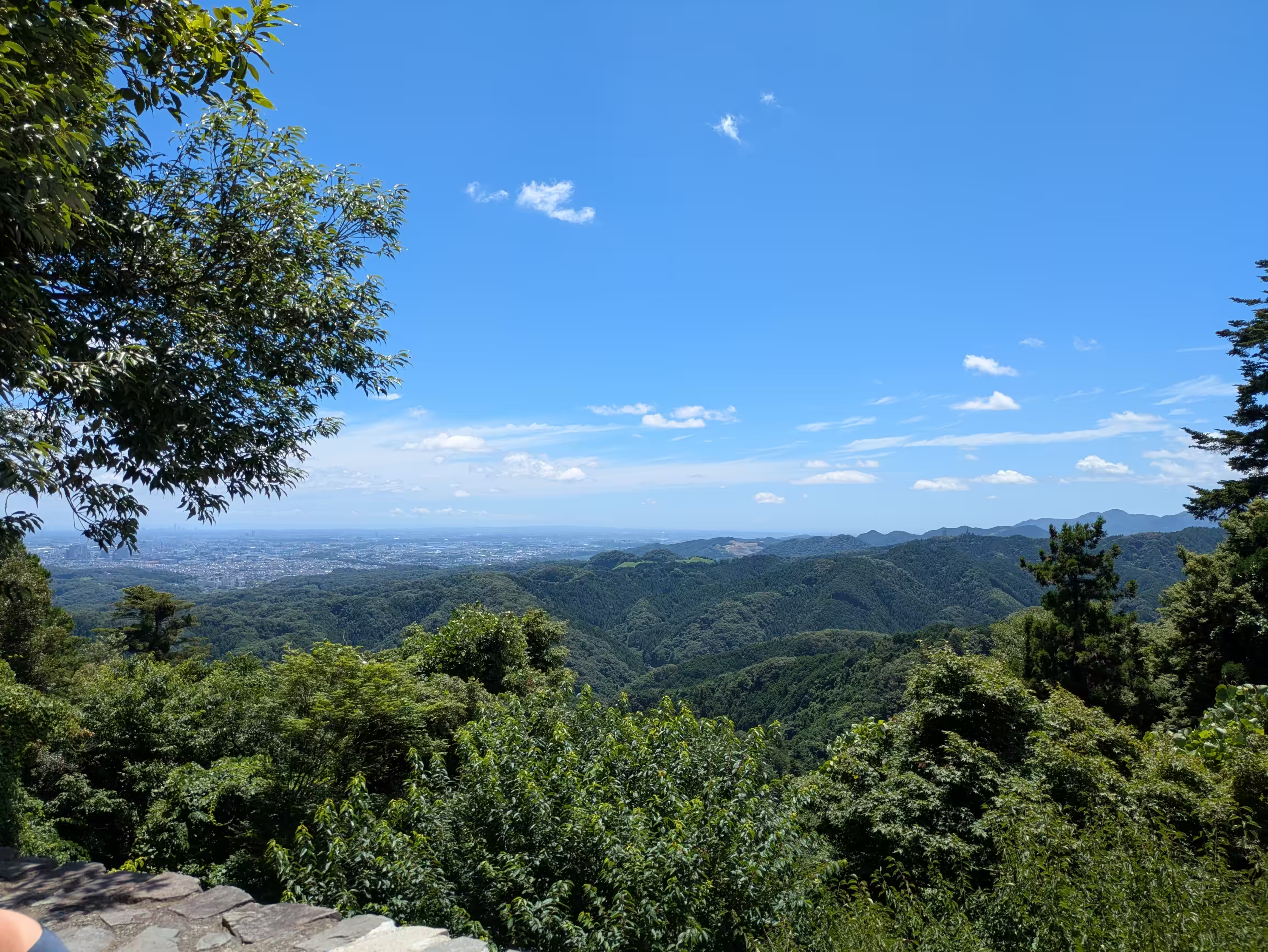
Mount Takao (高尾山)
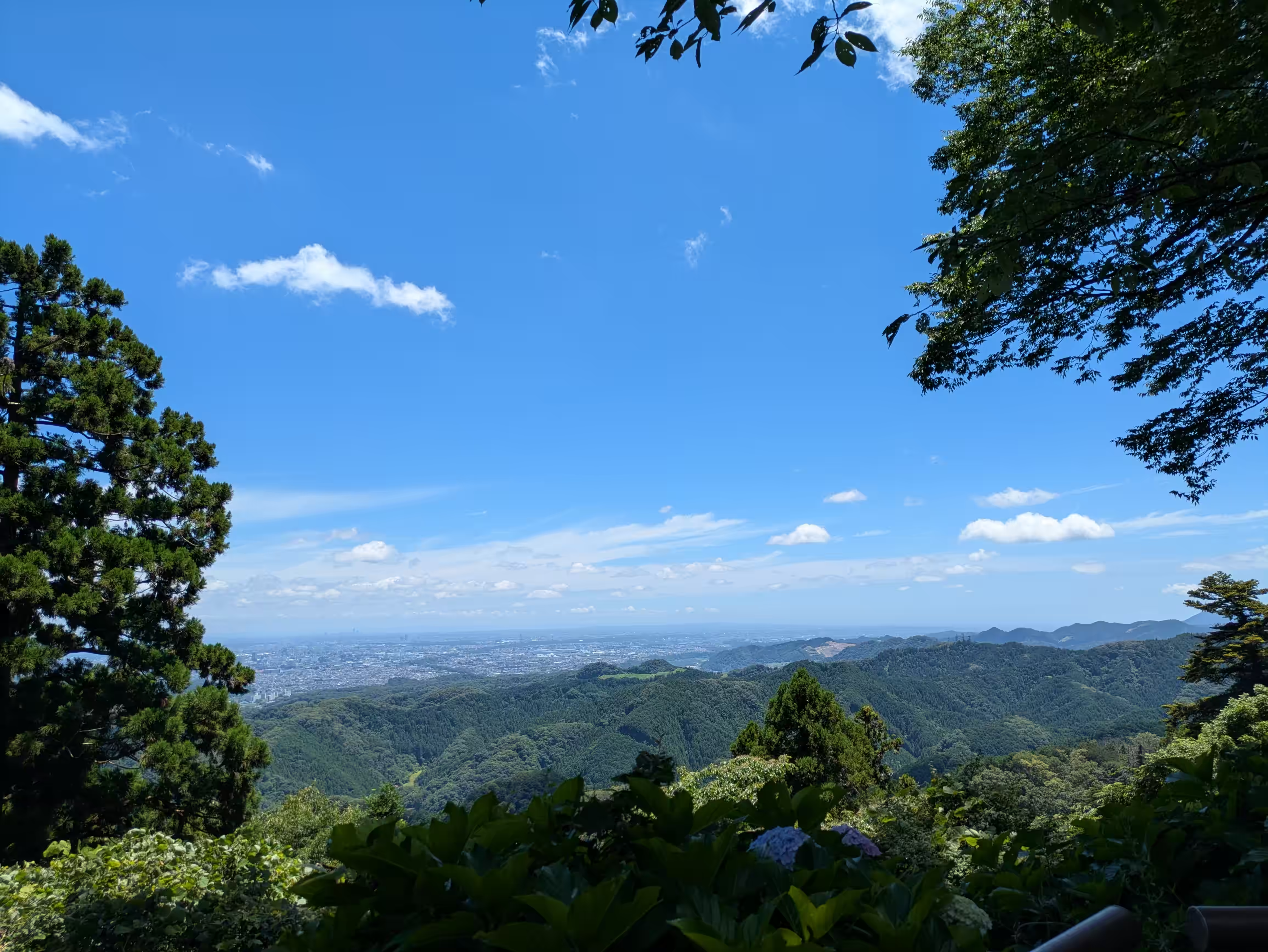
Mount Takao (高尾山)
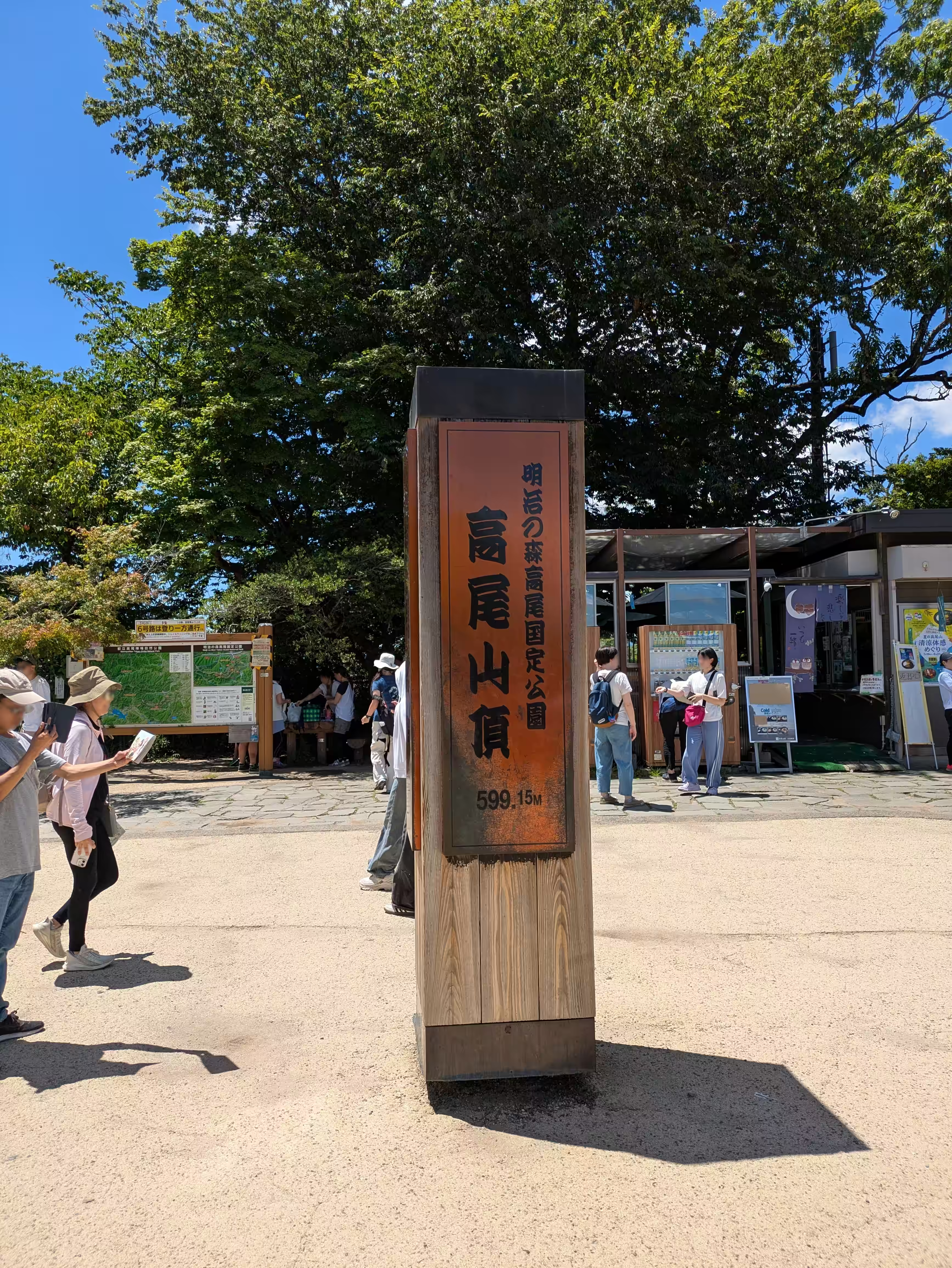
Mount Takao (高尾山)
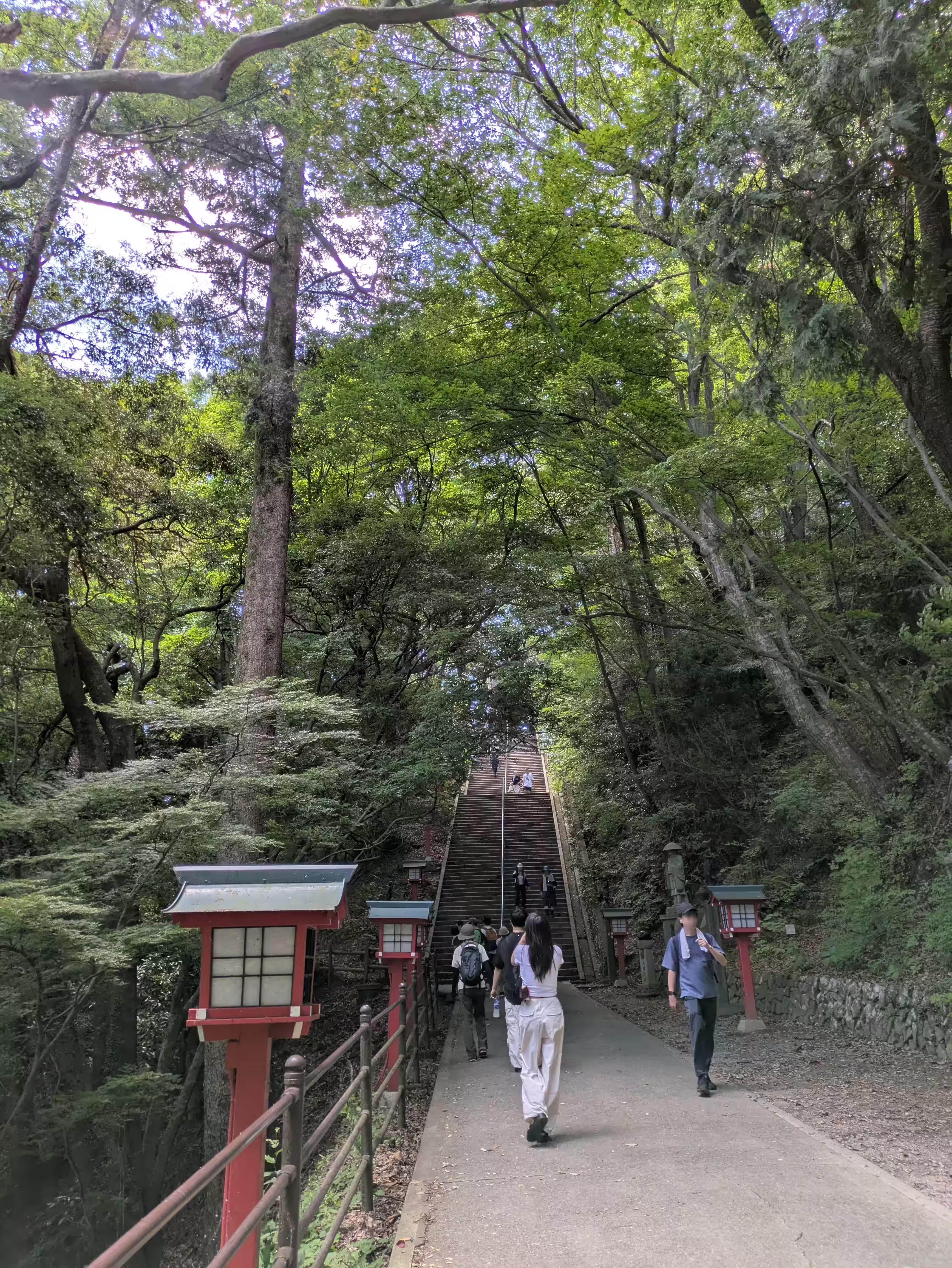
Yakuo-in Temple (薬王院)
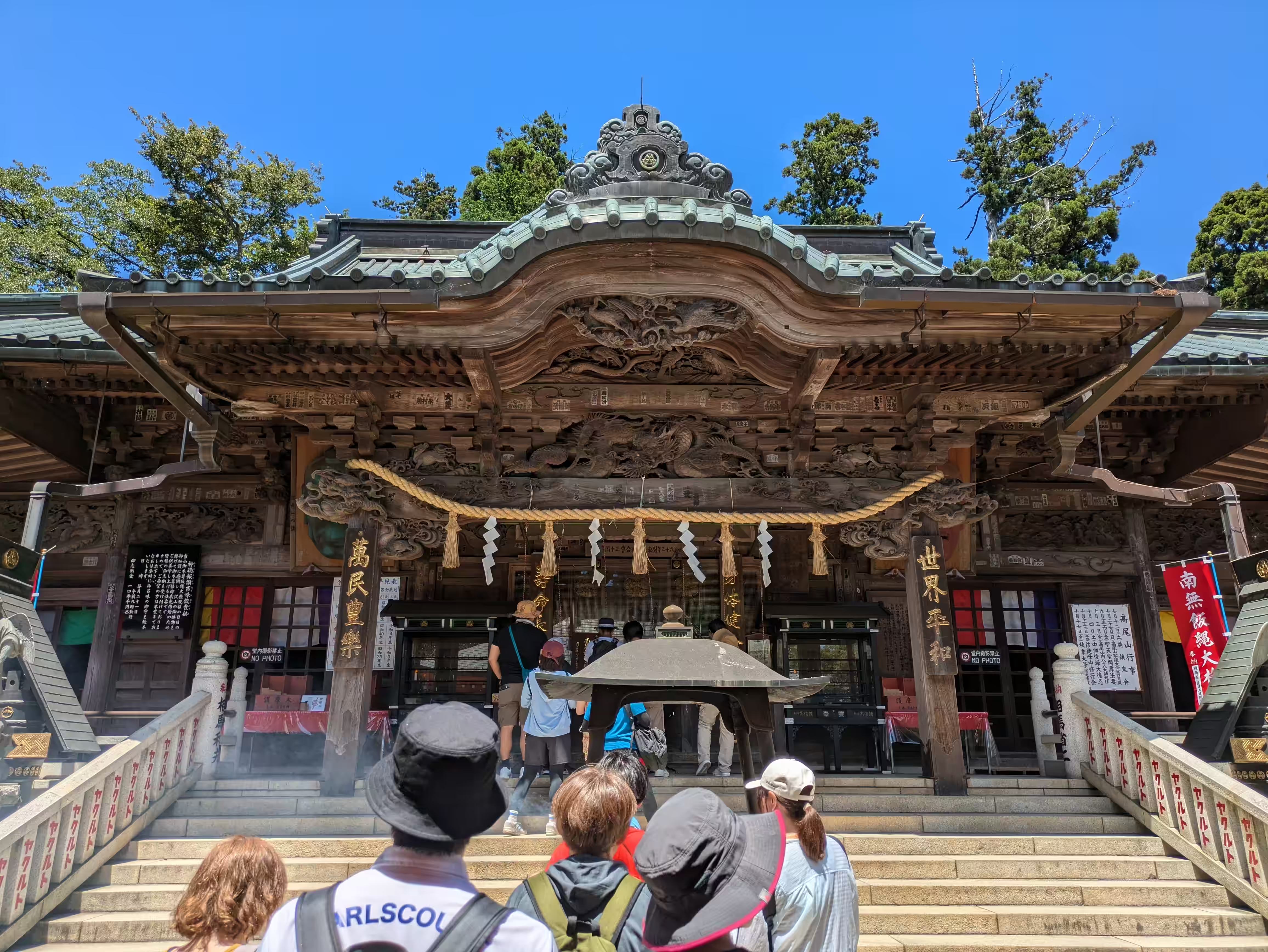
Yakuo-in Temple (薬王院)