Utsunomiya (宇都宮)
Tochigi
Quick Info
Map
Getting There
- train
- bus
- car
Best Times to Visit
- spring: Cherry blossoms and azaleas enhance Hachimanyama Park, while comfortable temperatures suit castle, shrine, and outdoor heritage walks.
- summer: Summer offers the major Furusato Miya Festival, shrine festivals, fireworks, and quarry-related events, though heat and storms can occur.
- autumn: Milder October and November weather favors outdoor historical sites, parks, and walking, with seasonal festivals and autumn scenery.
What's There
- architecture: Reconstructed castle watchtowers, earthen walls, shrine buildings, and distinctive underground quarry chambers provide varied architectural interest.
- bridge: Hachimanyama Park includes a suspension bridge, adding a notable viewpoint and recreational feature.
- castle: Utsunomiya Castle Ruins Park and Tobiyama Castle Site Park preserve and interpret important castle remains.
- cherry blossoms: Hachimanyama Park is known for approximately 800 cherry trees, making spring especially attractive.
- culture: Shrines, historic sites, traditional festivals, local food, and heritage museums offer substantial cultural experiences.
- festival: Major events include the Furusato Miya Festival, shrine festivals, summer celebrations, and seasonal traditional observances.
- food: Utsunomiya is strongly associated with gyoza, while local beef, lemon milk, sake, and craft beer broaden its culinary appeal.
- flowers: Hachimanyama Park features seasonal azaleas alongside its famous cherry trees.
- history: Castle parks, the quarry museum, the shrine, and Tobiyama site collectively represent medieval, early-modern, and industrial heritage.
- museum: Oya History Museum explains the region’s historic stone quarrying through a dramatic underground exhibition space.
- nature: Hilltop parks, seasonal trees, open historical landscapes, and nearby quarry surroundings provide accessible nature experiences.
- park: Utsunomiya Castle Ruins Park, Hachimanyama Park, and Tobiyama Castle Site Park support sightseeing and walking.
- sake: Local breweries produce recognized regional labels including Shikisakura, Shichisui, and Sawahime.
- shopping: Gyoza Street, downtown arcades, specialty shops, and regional food retailers support local-product shopping.
- shrine: Utsunomiya Futarasan Shrine is a major historic worship site in the city center, with recurring traditional festivals.
- spiritual: Historic shrine worship, Buddhist observances, lantern ceremonies, and traditional festivals give the city strong spiritual character.
- views: Hilltop Hachimanyama Park, its tower, suspension bridge, and scenic quarry spaces provide varied viewing opportunities.
- wildlife: Hachimanyama Park includes an animal enclosure, adding a modest wildlife attraction for families.
Specialties
- Utsunomiya Gyoza (宇都宮餃子): Utsunomiya is renowned for its gyoza, with many established restaurants concentrated along the 160-meter Gyoza Street. The area is designed for sampling different styles of freshly cooked dumplings.
- Lemon Milk (レモン牛乳): Lemon milk is a sweet, lemon-flavored milk drink associated with Tochigi and widely sold in Utsunomiya. The drink contains lemon flavoring rather than lemon juice and is also used in local sweets and desserts.
- Tochigi Wagyu (とちぎ和牛): Tochigi Wagyu is a premium beef brand promoted and sold in Tochigi Prefecture, including Utsunomiya. It is commonly served at local restaurants and available from regional meat retailers.
- Utsunomiya Sake (宇都宮の地酒): Utsunomiya has a local sake tradition supported by breweries such as Toraya Honten and Inoue Seikichi Shoten. Regional labels include Shikisakura, Shichisui, and Sawahime.
- Utsunomiya Craft Beer ‘Gyoza Roman’ (餃子浪漫): Gyoza Roman is a Utsunomiya craft beer developed jointly with the Utsunomiya Gyoza Association. Its malty Märzen style is specifically intended to pair with gyoza.
Attractions
Utsunomiya Castle Ruins Park (宇都宮城址公園)
The park preserves part of Utsunomiya Castle’s former main enclosure and includes reconstructed watchtowers, earthen walls, and moats. Its exhibition facilities explain the castle’s history and the city’s cultural heritage.
Oya History Museum (大谷資料館)
This museum occupies a vast underground space created by historical Oya-stone quarrying. Exhibits explain the quarry’s history, and the distinctive chambers are also used for cultural events and filming.
Utsunomiya Futarasan Shrine (宇都宮二荒山神社)
Located in central Utsunomiya, this historic shrine has been a major site of local worship for centuries. Its annual calendar includes traditional observances and festivals such as the Hanae Festival, Tenno Festival, and Kikusui Festival.
Hachimanyama Park (八幡山公園)
Hachimanyama Park is a central hilltop park with Utsunomiya Tower, a suspension bridge, children’s facilities, and an animal enclosure. It is also known for approximately 800 cherry trees and seasonal azaleas.
Tobiyama Castle Site Park (飛山城史跡公園)
This large historical park preserves the nationally designated Tobiyama Castle site, a medieval hill castle associated with the Haga clan. Reconstructed structures, earthworks, and an adjoining history experience center help visitors understand the site.
Furusato Miya Festival (ふるさと宮まつり)
Furusato Miya Festival is one of Tochigi’s largest summer festivals and is held around Utsunomiya’s main avenue. More than 40 portable shrines, traditional music, dancing, taiko performances, and local food stalls feature in the event.
Photos and Videos
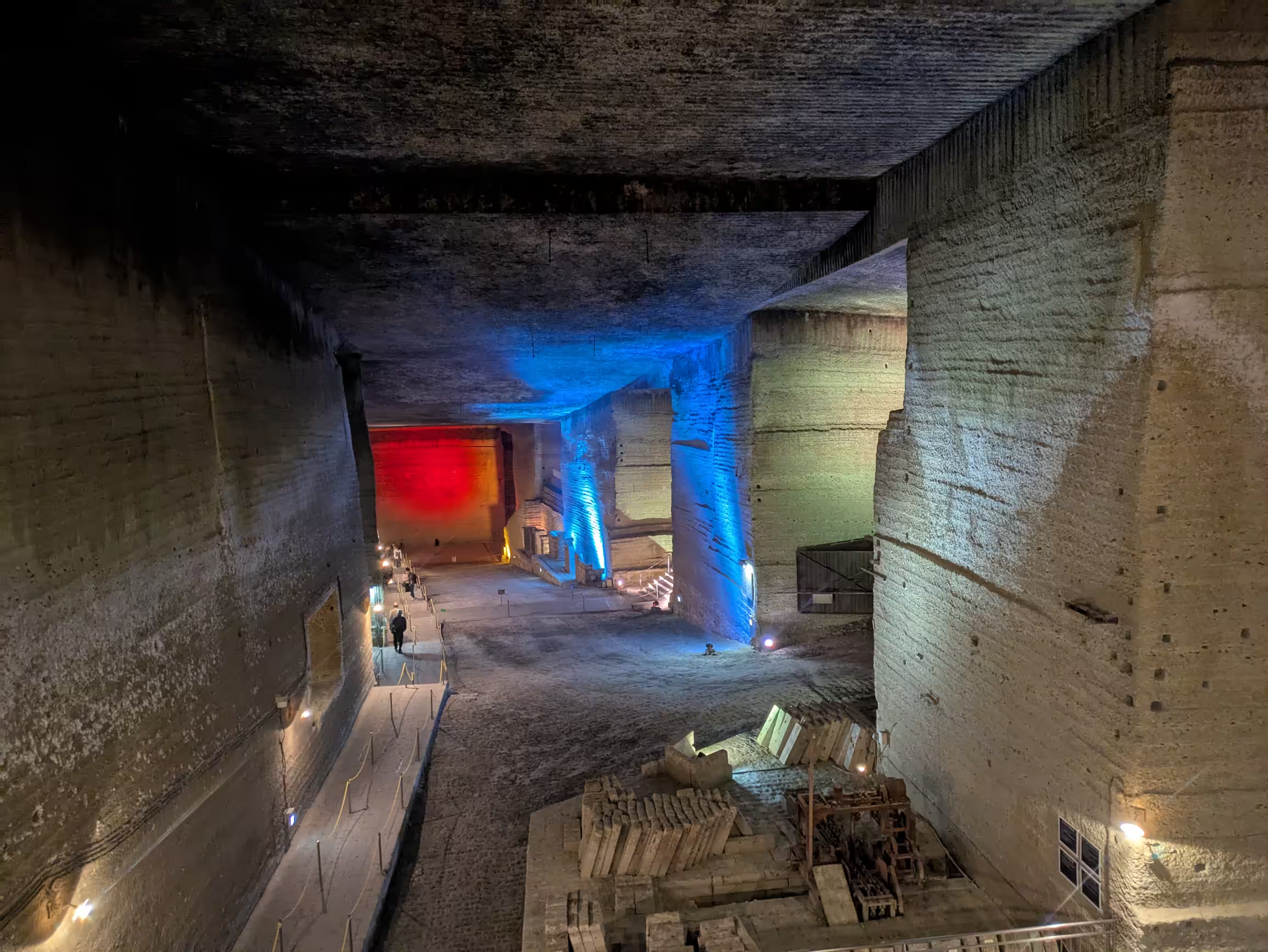
Oya History Museum (大谷資料館)