Wajima (輪島)
Ishikawa
Quick Info
Map
Getting There
- bus
- car
- plane
Best Times to Visit
- spring: May rice planting, mild conditions, coastal scenery, and accessible outdoor sightseeing make spring a strong season for visiting.
- summer: Warm weather supports coastal exploration and seafood experiences, while shrine festivals and kiriko events bring especially lively local culture.
- autumn: September harvests and autumn scenery complement the rice terraces, seafood season, cultural attractions, and generally favorable sightseeing conditions.
- winter: Winter offers dramatic coastal scenery and illuminated rice terraces, but heavy snow, weather, and earthquake-related closures can affect travel.
What's There
- crafts: Wajima-nuri lacquerware is a nationally recognized traditional craft, featuring durable layered lacquer, diatomaceous earth undercoating, and gold-inlay decoration.
- culture: Traditional lacquer production, coastal customs, and distinctive local festival practices strongly shape Wajima’s cultural identity.
- festival: Kiriko float festivals and Wajima’s major shrine celebrations showcase illuminated floats, music, processions, and maritime community traditions.
- fishing: Wajima’s coastal livelihoods include fishing and ama free-diving for abalone, turban shells, and seaweed.
- food: Local cuisine highlights regional seafood, traditional salt, preserved products, and specialties such as nodoguro and sweet shrimp.
- market: Wajima’s historic morning market offers seafood, produce, prepared foods, souvenirs, and local crafts, though its post-earthquake location may change.
- museum: Museums interpret Wajima’s lacquerware, kiriko festival floats, and Kitamaebune maritime-trade history.
- nature: The city combines coastal scenery, traditional agricultural landscapes, rice terraces, and rugged Noto Peninsula environments.
- onsen: Nebuta Onsen provides coastal hot-spring bathing and ryokan stays overlooking the Sea of Japan.
- seafood: Wajima is associated with fresh and preserved coastal products, including nodoguro, sweet shrimp, abalone, turban shells, and seaweed.
- shopping: Visitors can purchase lacquerware, seafood products, traditional foods, and other regional goods at markets and specialty shops.
- views: Shiroyone Senmaida offers expansive views across cascading rice terraces toward the Sea of Japan.
- farm: Shiroyone Senmaida preserves hand-worked rice cultivation across 1,004 small coastal paddies.
- port: Wajima’s protected harbor supported fishing, coastal trade, and the historic Kitamaebune shipping network.
- history: Maritime trade, the thousand-year-old market tradition, historic districts, and longstanding craft practices give Wajima substantial historical interest.
- coast: Wajima’s attractions and food culture are closely connected to its rugged Sea of Japan coastline.
Specialties
- Wajima-nuri (輪島塗): Wajima-nuri is Wajima’s signature lacquerware tradition, known for exceptionally durable layered lacquer work and decorative techniques such as gold inlay. The craft uses locally sourced diatomaceous earth in its foundation layers and involves a highly specialized production process.
- Okunoto Salt (奥能登の塩): Traditional salt production is a distinctive cultural practice of the Noto Peninsula and can be visited near Wajima at the Okunoto salt-farm area. The region is known for preserving traditional coastal salt-making methods.
- Blackthroat Seaperch (のどぐろ): Nodoguro, also called rosy seabass, is a prized fish sold through Wajima’s official tourism association marketplace. Local preparations include simmered nodoguro and other preserved seafood products.
- Sweet Shrimp (あまえび): Sweet shrimp is among the seafood products associated with Wajima’s coastal food culture and is sold in preserved form through the Wajima tourism association’s official marketplace. The marketplace lists dried sweet shrimp among its regional seafood products.
- Ama Diving (海女漁): Wajima has a long tradition of ama free-diving, with divers collecting abalone, turban shells, and seaweed from the surrounding waters. This seafood tradition is closely connected to the city’s maritime culture.
Attractions
Shiroyone Senmaida (白米千枚田)
Shiroyone Senmaida is a nationally designated scenic landscape of 1,004 small rice terraces descending toward the Sea of Japan. The terraces are located in Wajima and are particularly notable for their coastal views and traditional hand-farming methods.
Wajima Kiriko Art Museum (輪島キリコ会館)
The Wajima Kiriko Art Museum presents the enormous illuminated festival floats used in Noto’s traditional celebrations. Its exhibitions explain the region’s kiriko traditions and festival culture.
Wajima City Kuroshima Tenryo Kitamaebune Museum (輪島市黒島天領北前船資料館)
This municipal museum in Kuroshima presents the history of the Kitamaebune shipping network and the prosperity it brought to Wajima’s coastal communities. The museum is housed in a historically significant district associated with maritime trade.
Wajima Morning Market (輪島朝市)
Wajima’s Morning Market is a historic market tradition featuring local seafood, produce, food products, and crafts. Following the January 1, 2024 Noto Peninsula Earthquake, the traditional market site was closed and market activities have been subject to reconstruction-related changes.
Nebuta Onsen (ねぶた温泉)
Nebuta Onsen is a hot-spring area on Wajima’s coast with ryokan accommodation and baths overlooking the Sea of Japan. Official Wajima visitor information identifies it as one of the city’s principal hot-spring destinations.
Photos and Videos
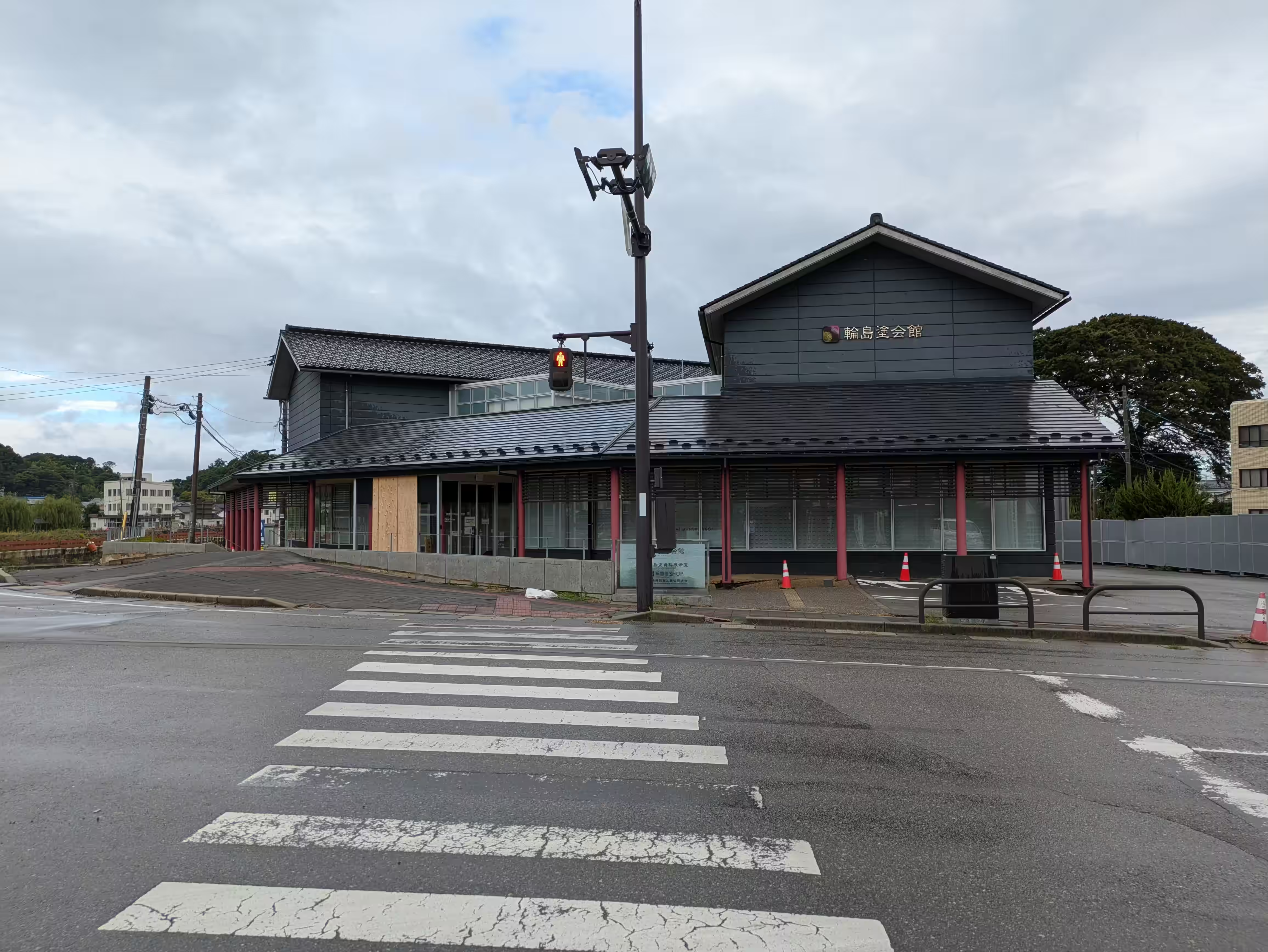
Wajima-nuri Lacquerware Museum
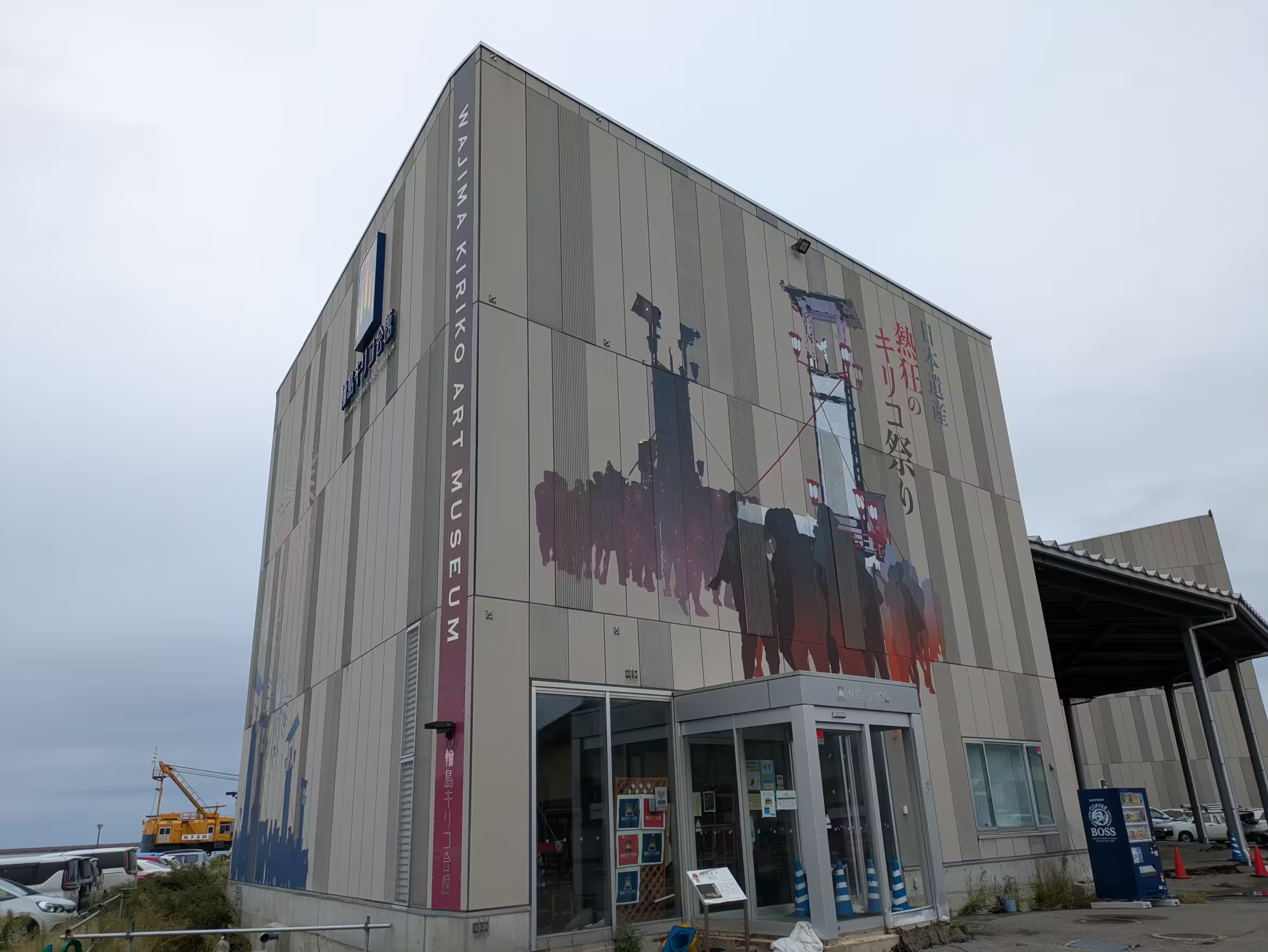
Wajima Kiriko Art Museum
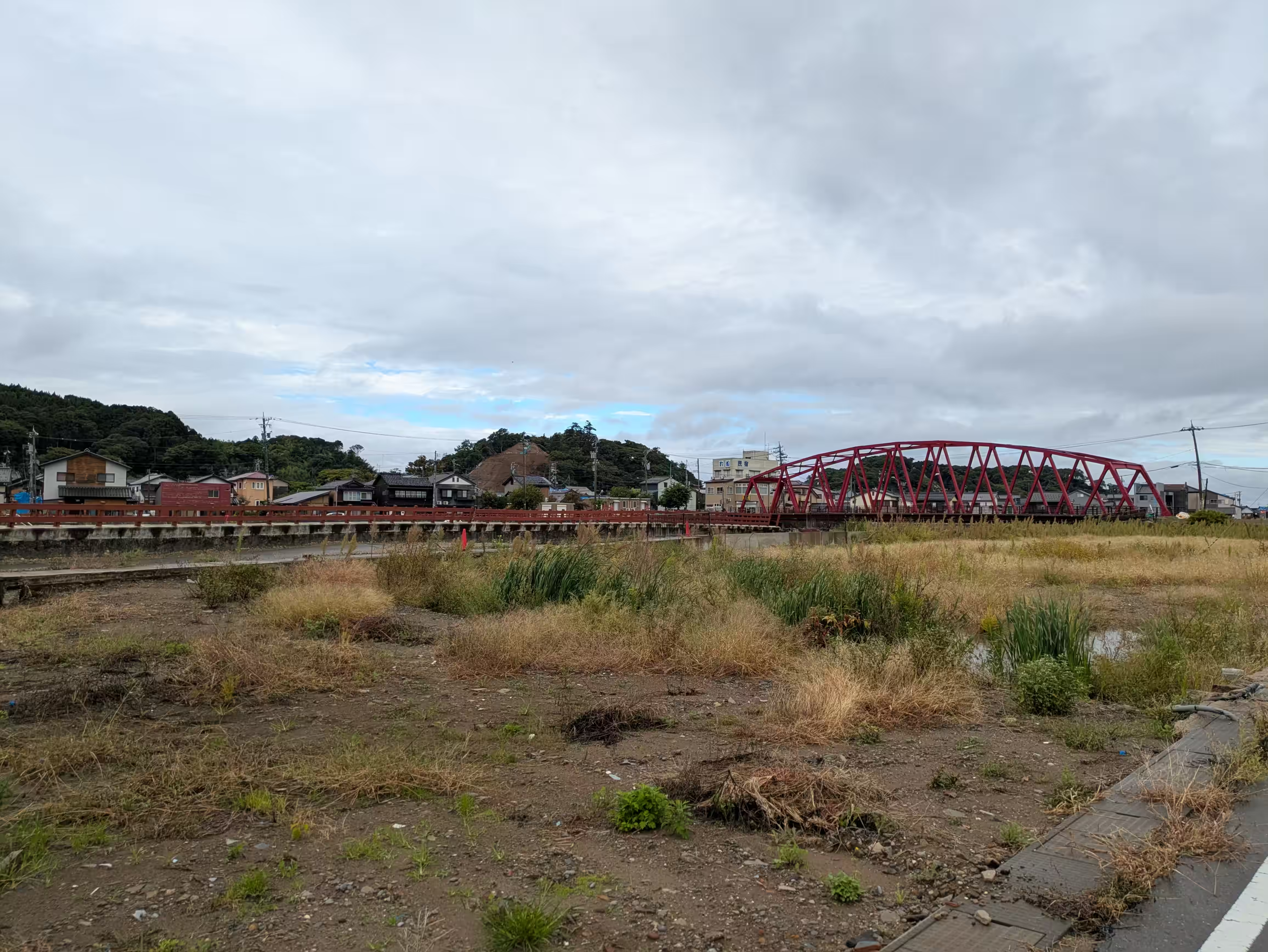
Irohabashi Bridge
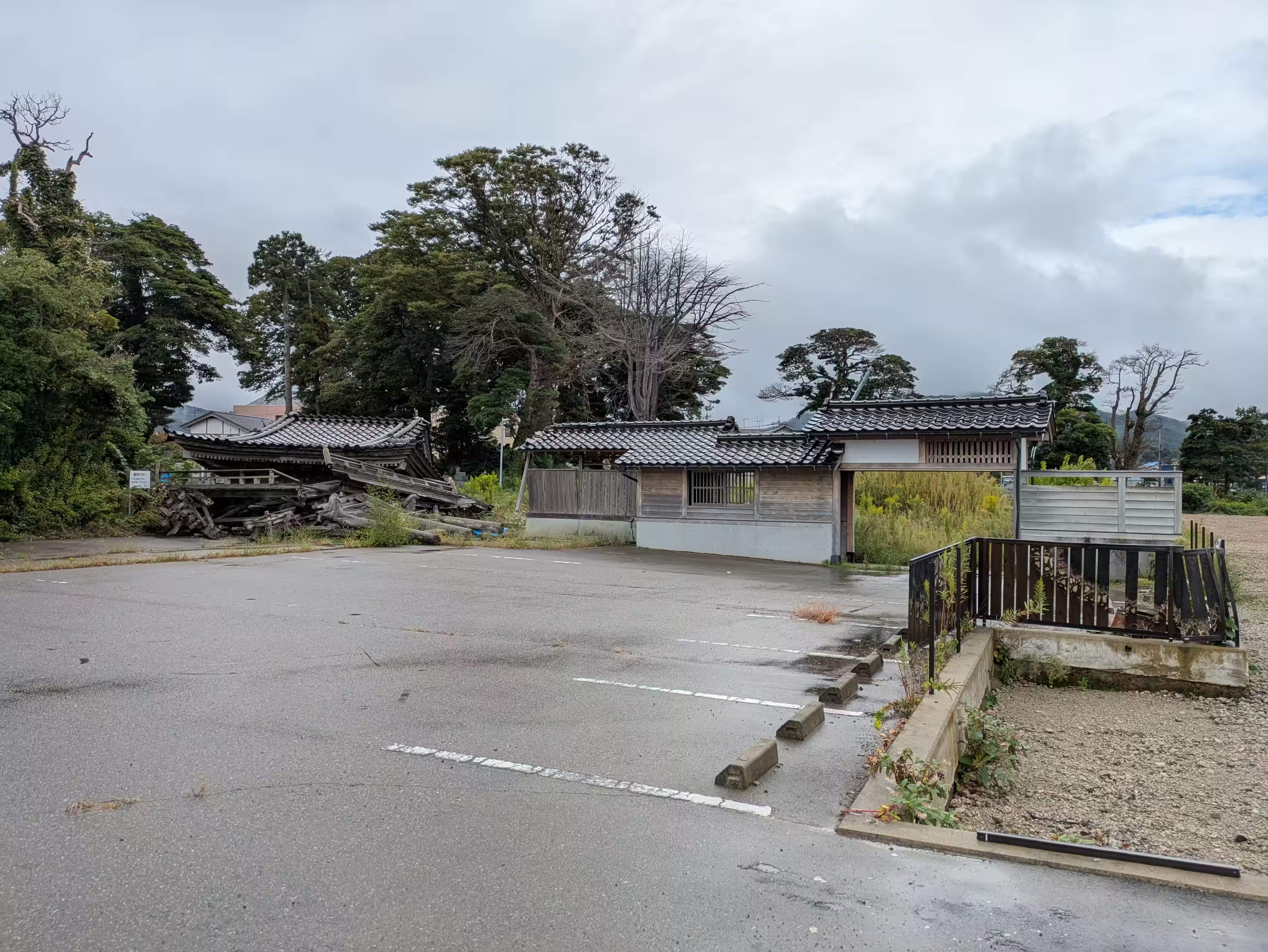
The Hasue Temple was destroyed in the 2024 Noto Earthquake
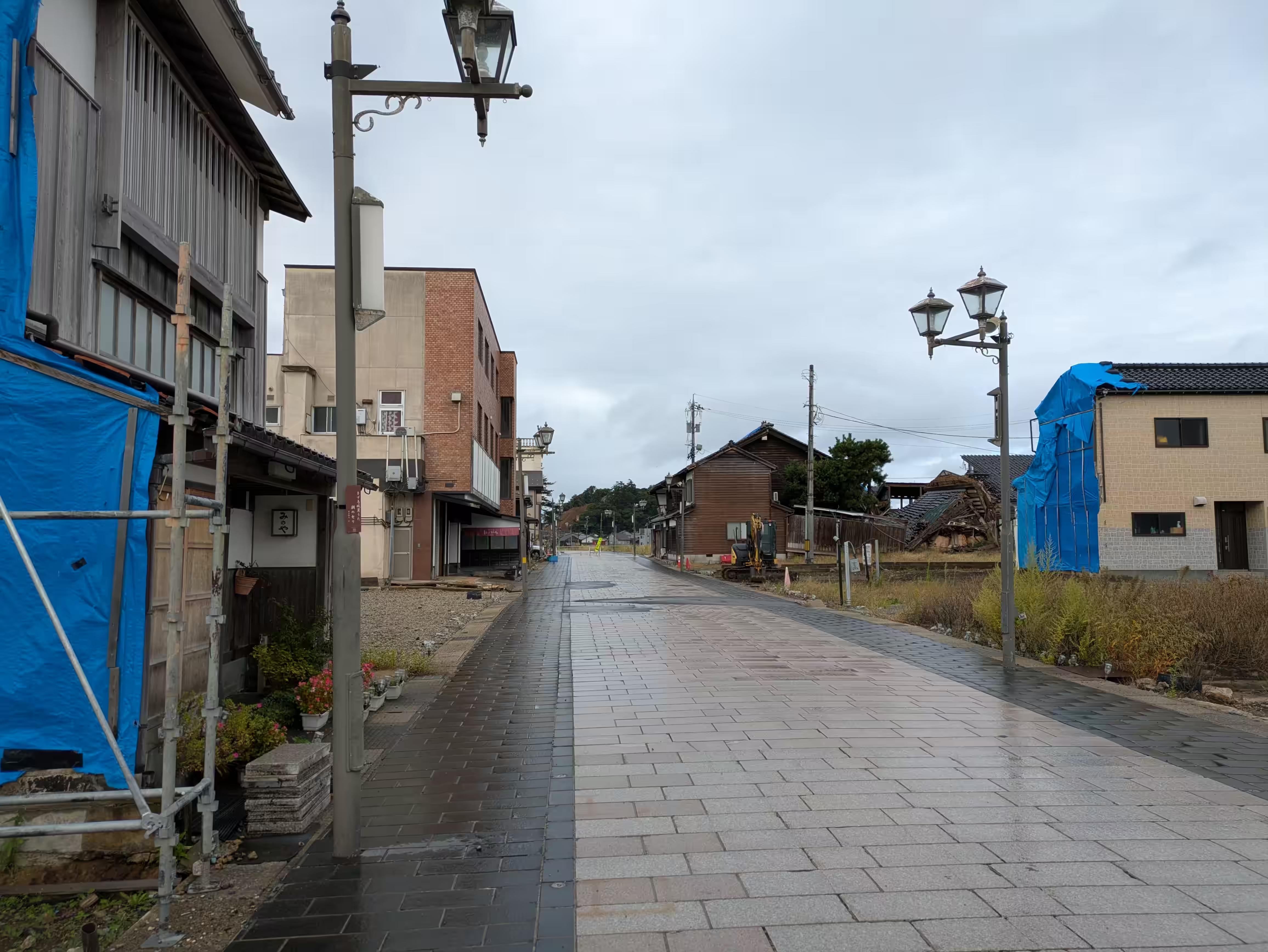
The Morning Market closed after the 2024 Noto Earthquake
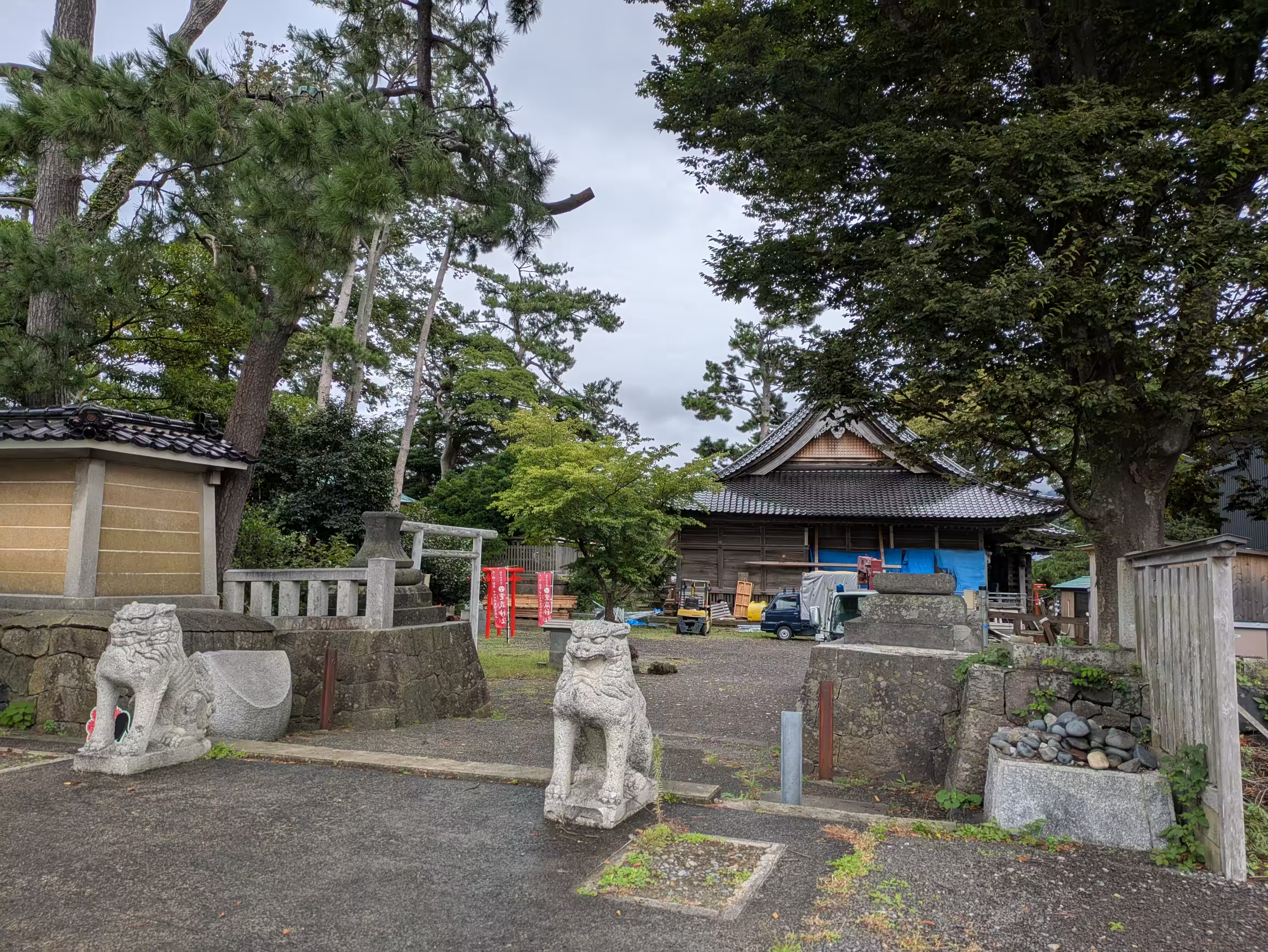
The Juso Shrine under reconstruction after the 2024 Noto Earthquake
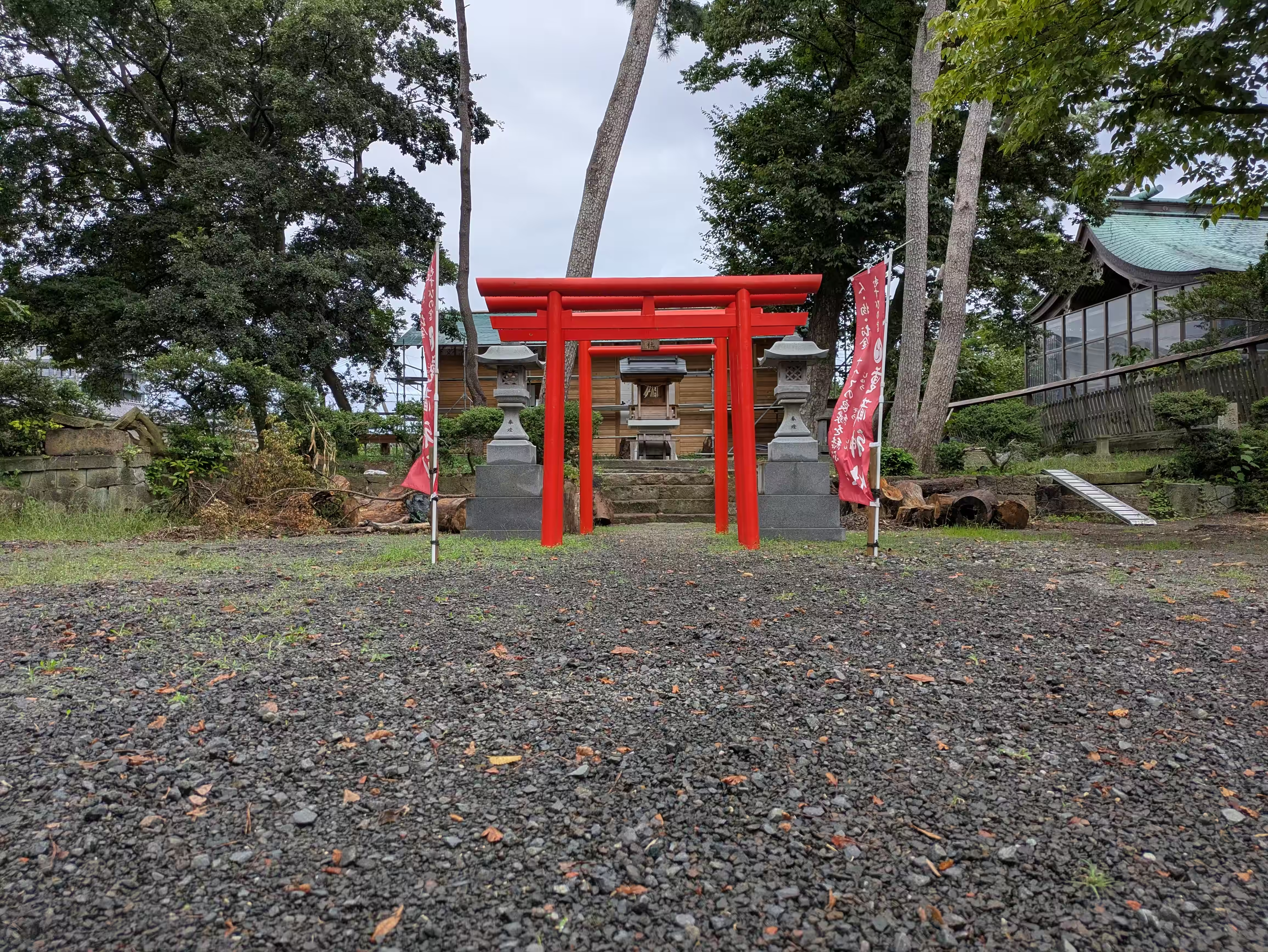
The Juso Shrine under reconstruction after the 2024 Noto Earthquake
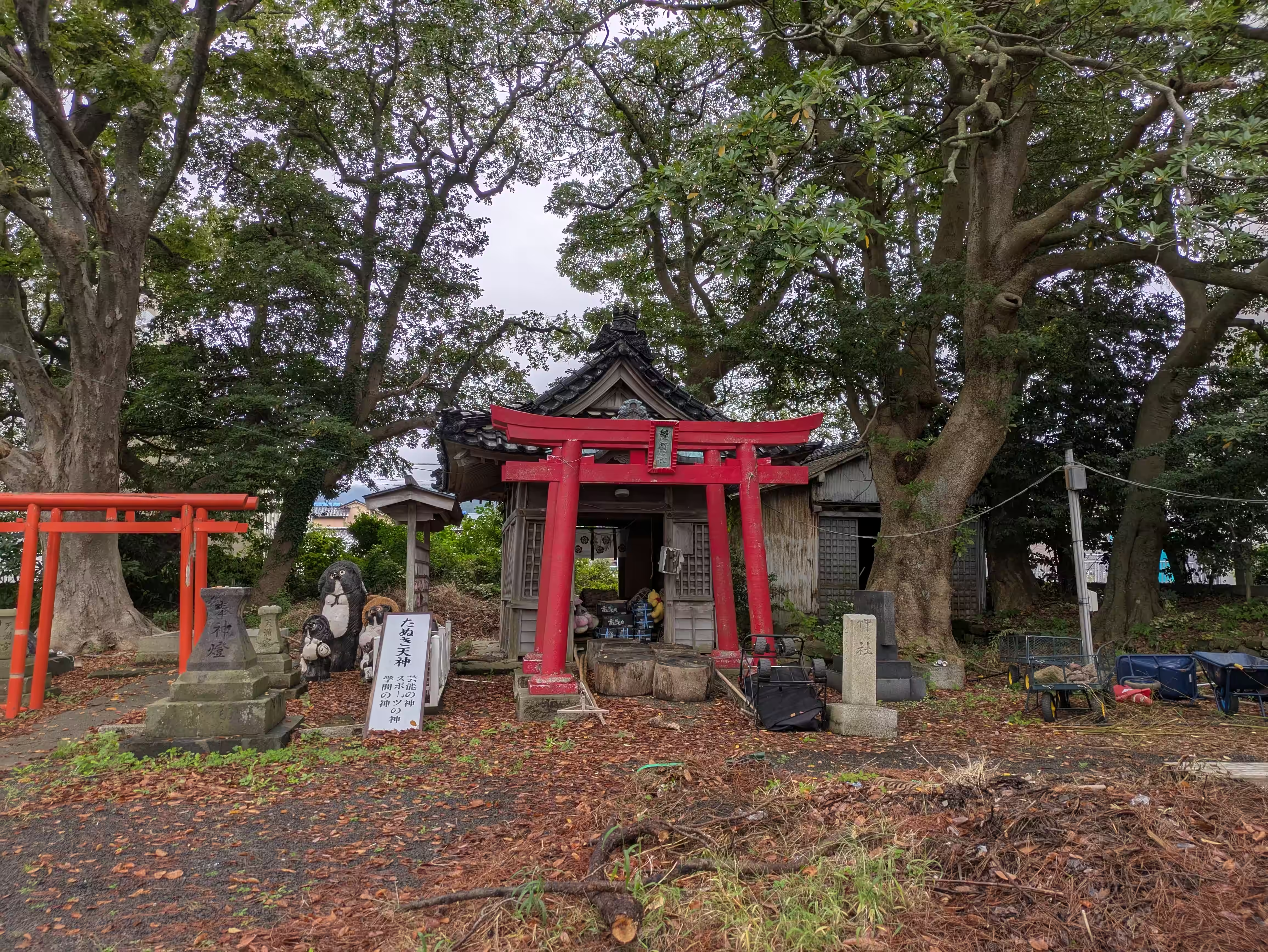
The Juso Shrine under reconstruction after the 2024 Noto Earthquake
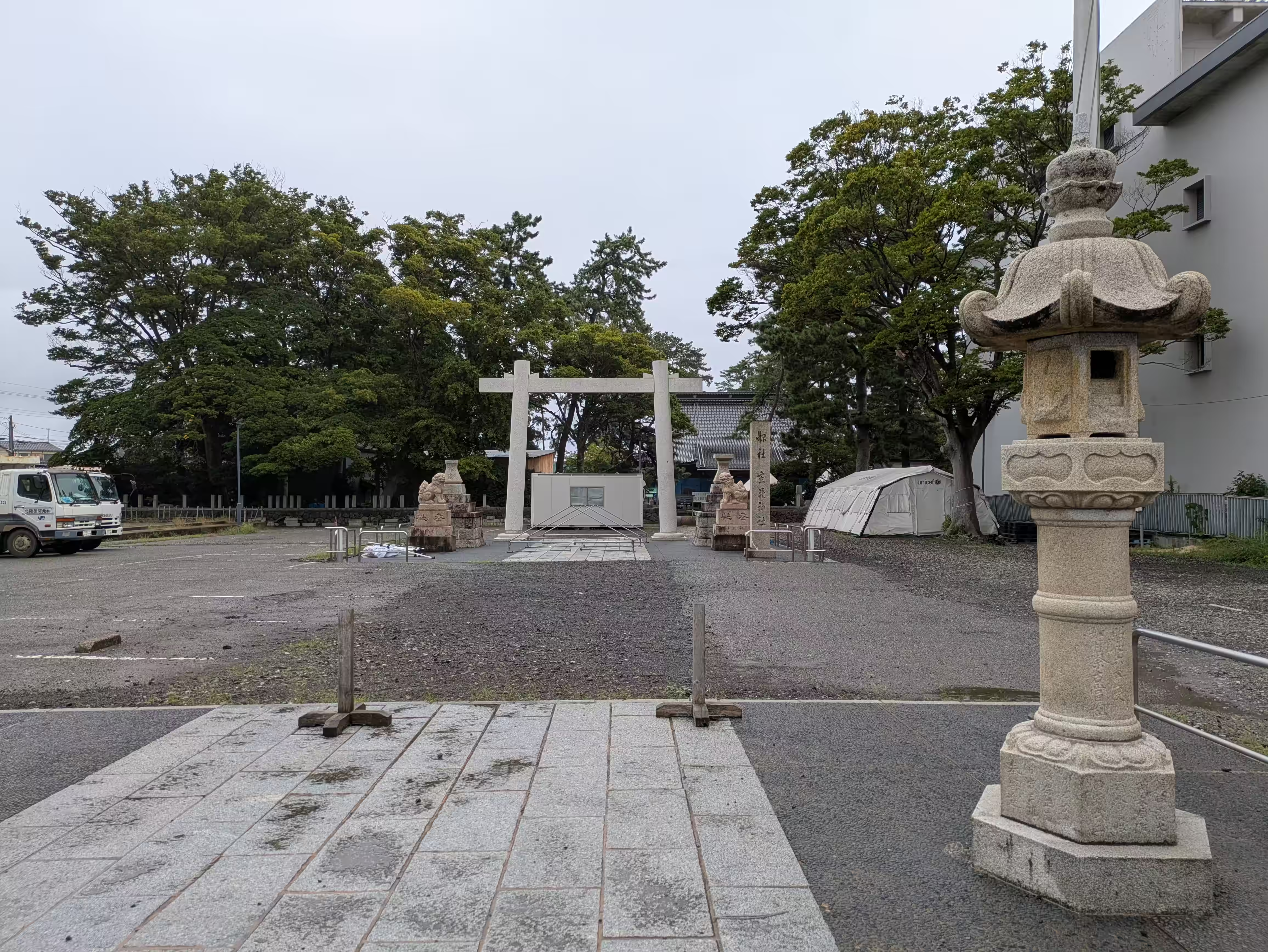
The Juso Shrine under reconstruction after the 2024 Noto Earthquake
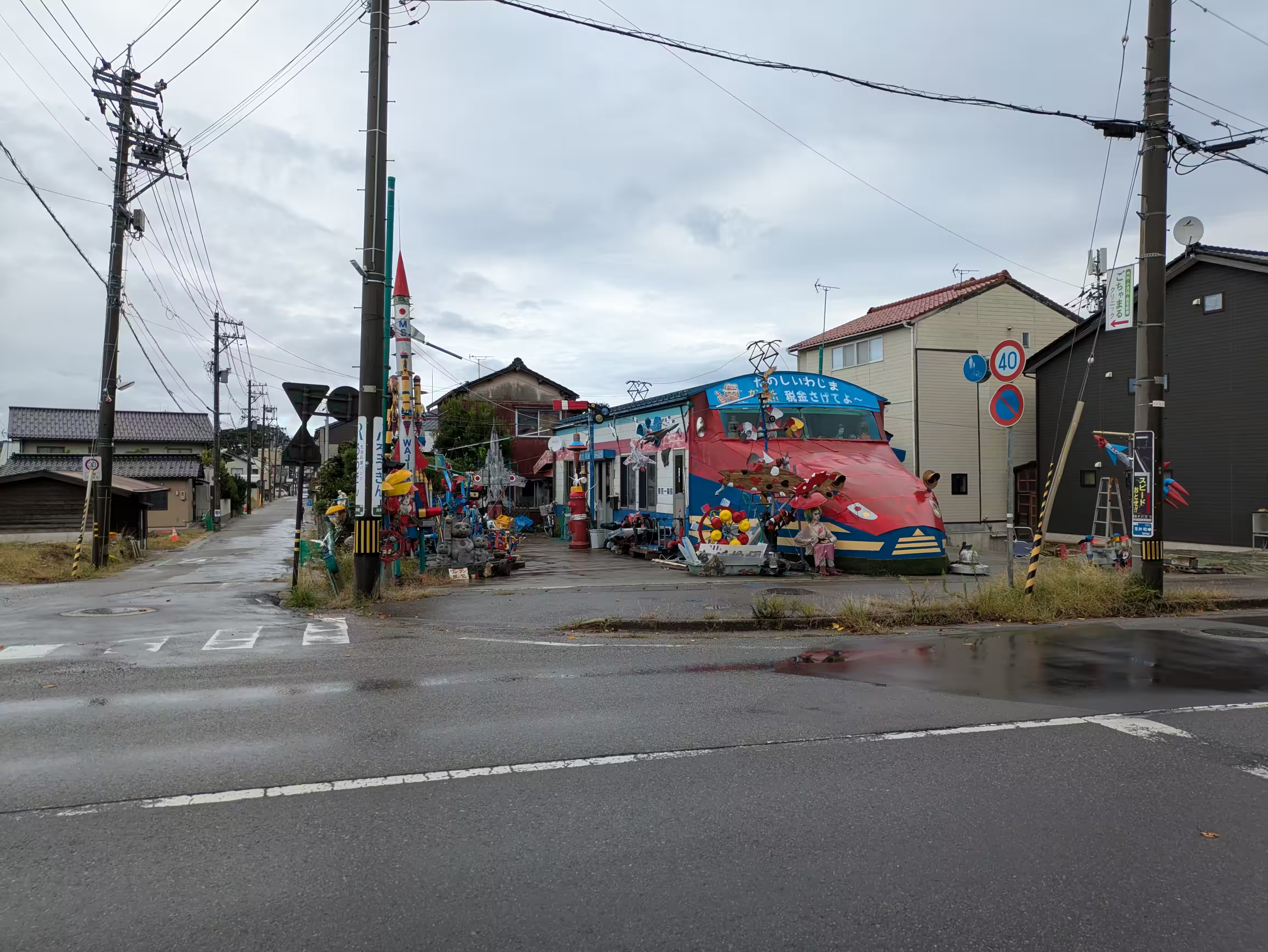
A highly decorated residential house
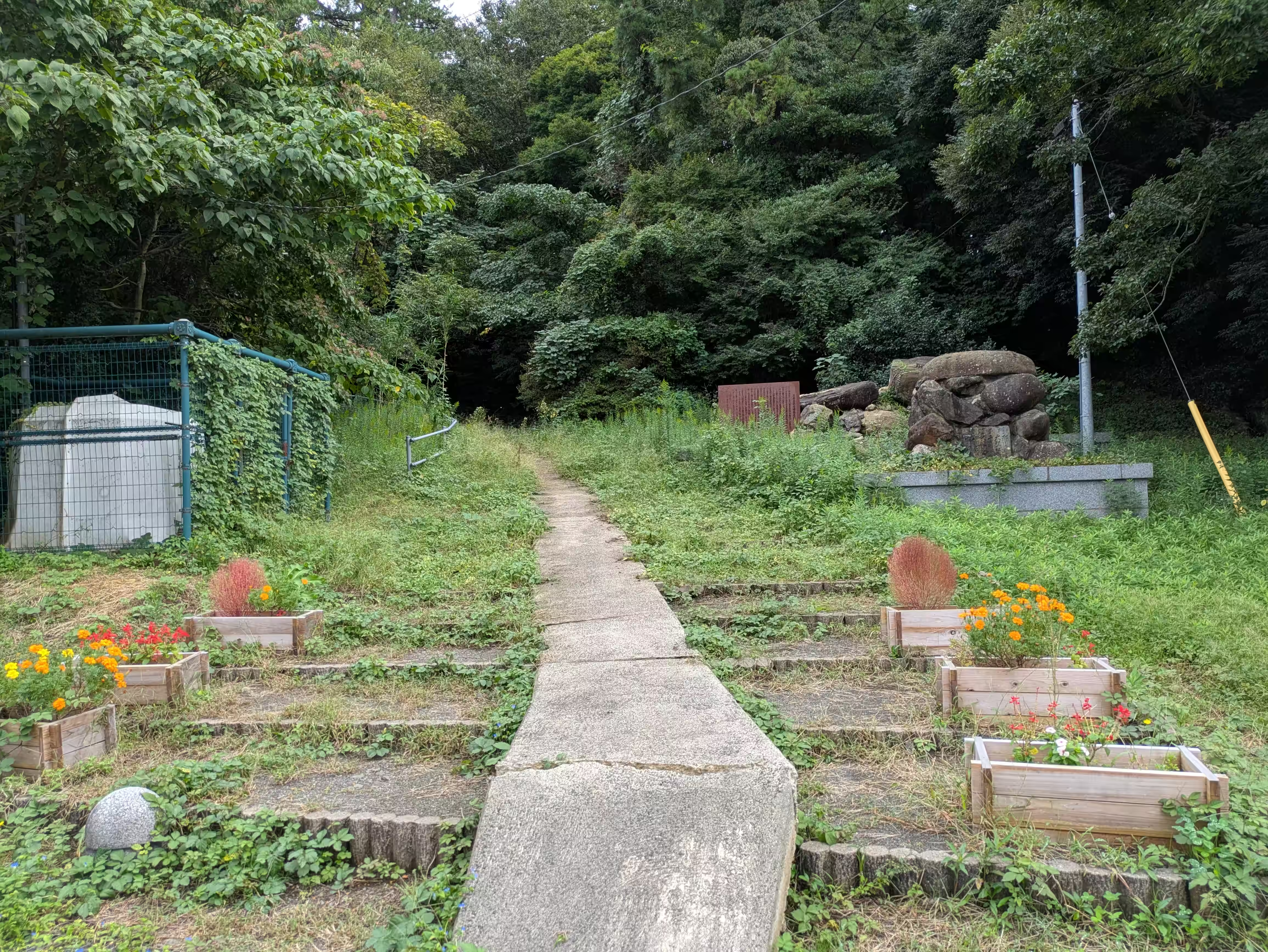
An entrance to Ipponmatsu Park